Research 01 / Electrochemical conversion
Electricity from Hydrogen
Test question: can the complete fuel-cell system deliver useful, repeatable wheel power through a representative racing stint?
Principles · Published examples · Open questionsThe stack is a starting point.
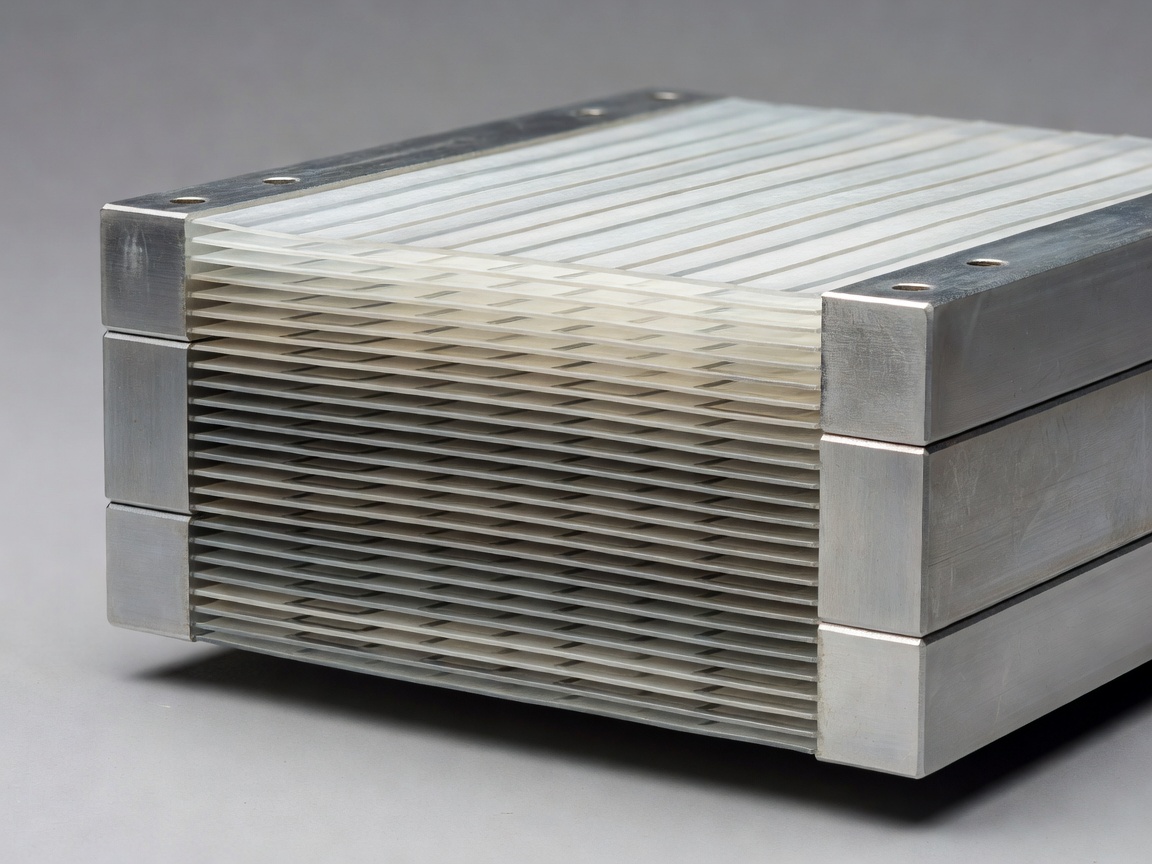
A proton-exchange membrane fuel cell combines hydrogen and oxygen electrochemically. Electrons travel through an external circuit, creating useful electrical power; water and heat are also produced. Individual cells are connected into a stack to reach a practical voltage. The stack does not directly turn the wheels. Power electronics, an electric motor and a final drive complete that path.
The engineering distinction is between gross stack output and net system output. An air compressor, coolant pumps and other auxiliaries consume electricity. Their demand varies with operating conditions. Quoting the stack alone can therefore hide a significant part of the vehicle’s energy balance, particularly when sustained high power increases the burden on air supply and cooling.
Established principle: buffer the transients.
Racing demand changes rapidly between braking, corner exit and sustained acceleration. A battery can supply short bursts, absorb regenerative braking and allow the stack to follow a less abrupt load profile. This does not make the battery free energy. A fair test must compare its state of charge at the beginning and end of the run.
The control strategy determines how the work is shared. A larger buffer may reduce peak stack demand but adds mass, packaging volume and another thermal system. A smaller buffer may require the stack to respond more aggressively. Neither arrangement is universally superior; the appropriate balance depends on circuit characteristics, stint duration, recovery opportunities and operating limits.
Air delivery adds another constraint. Oxygen must reach the catalyst while water is managed within the membrane assembly. Too much drying or excessive water accumulation can impair performance. These are interacting operating conditions, not problems solved simply by commanding more hydrogen.
Heat has to leave the car.
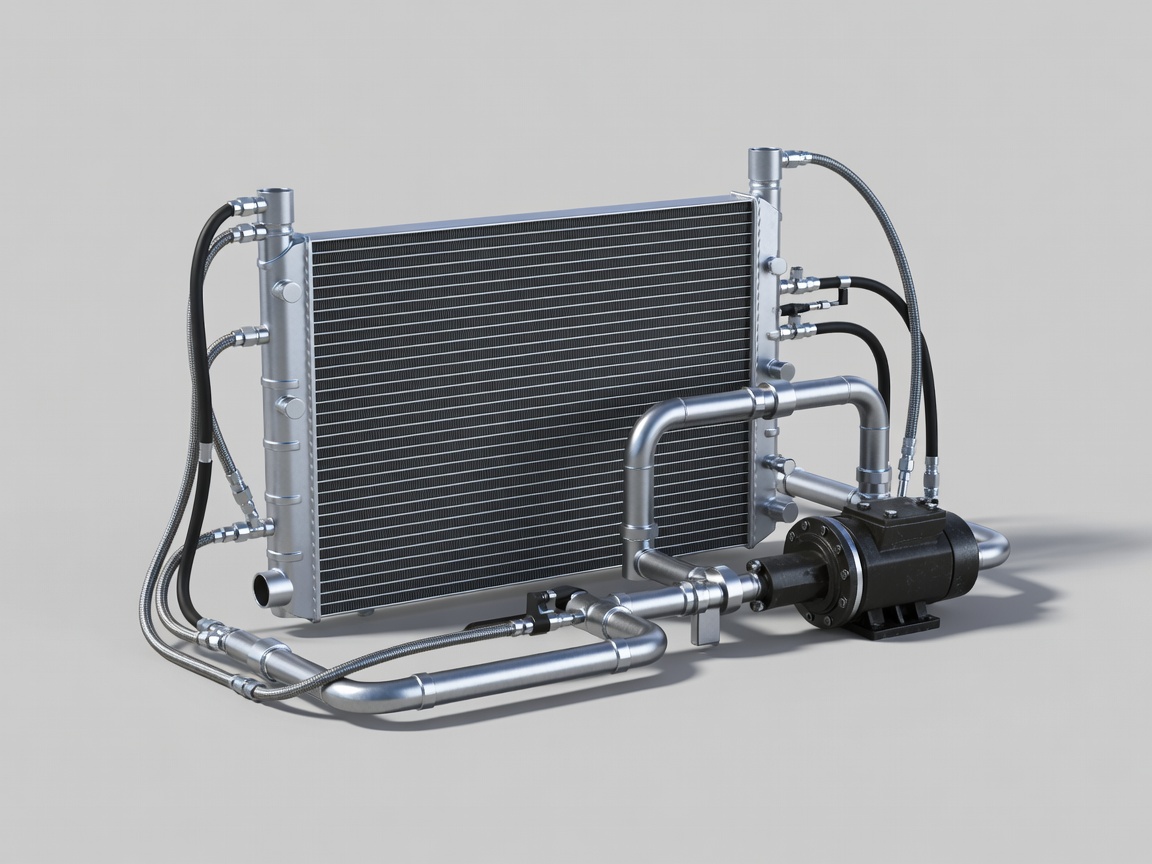
A fuel cell can be efficient while still rejecting substantial heat. Many low-temperature PEM systems operate with less temperature difference between coolant and ambient air than a combustion engine’s hottest circuits. That smaller driving difference can make radiator area and airflow especially important at high sustained power.
Cooling demand must be considered with vehicle aerodynamics. More cooling air can increase drag or interfere with bodywork objectives. Fan power may matter at low speed or during pit operations. A hot day, reduced vehicle speed or debris on a heat exchanger can change the margin even when the electrical command is unchanged.
Measure coolant inlet and outlet temperatures, flow, ambient conditions and electrical power together. A stable outlet temperature alone does not reveal the complete thermal balance. The relevant question is whether the entire system settles within its limits over the intended duty cycle, including recovery after repeated high-load sections.
Published examples: a programme is not a result.
The Automobile Club de l’Ouest’s MissionH24 programme provides a public reference for hydrogen-electric endurance development. Its H24EVO project illustrates the integration question: storage, a fuel-cell system, battery and electric drive must function as one vehicle. Programme announcements and technical presentations can identify design intent, but they should not be treated as independent proof of a particular efficiency or endurance outcome.
Road-vehicle work offers useful context without settling a racing comparison. BMW’s iX5 Hydrogen programme and Bosch’s fuel-cell technology publications describe related component and system challenges. A competition car has a different duty cycle, cooling envelope and servicing environment. Transferring a road-system headline directly to a race stint would skip those differences.
Unresolved questions belong in the test plan.
How does net efficiency change across the actual power distribution? What happens to performance after repeated thermal cycles? How sensitive is the system to inlet-air conditions and hydrogen quality? ISO 14687 addresses hydrogen fuel quality, but citing a standard does not establish that a particular fuel batch or vehicle installation complies with it.
Degradation should also be separated from immediate performance. A system can complete a short demonstration while still needing evidence about voltage loss, start-stop exposure and service intervals. The strongest report pairs operating conditions with repeated measurements and explains uncertainty. Until those details are published, the appropriate conclusion is limited evidence, not assumed success or assumed failure.
Source bench
- MissionH24 — programme information and H24EVO development context.
- BMW Group: hydrogen — road-vehicle system context.
- Bosch Mobility: fuel cells — component and system descriptions.
- US Department of Energy: fuel cells — electrochemical fundamentals.
- ISO — consult the current edition and scope of ISO 14687.
Sources describe principles and published programmes; this article does not report an original vehicle test.