Research 02 / Thermal conversion
Burning a Different Fuel
Test question: which parts of a familiar engine architecture remain useful, and which assumptions must change when the fuel is hydrogen?
Combustion is not a drop-in claimFamiliar hardware, different behaviour.
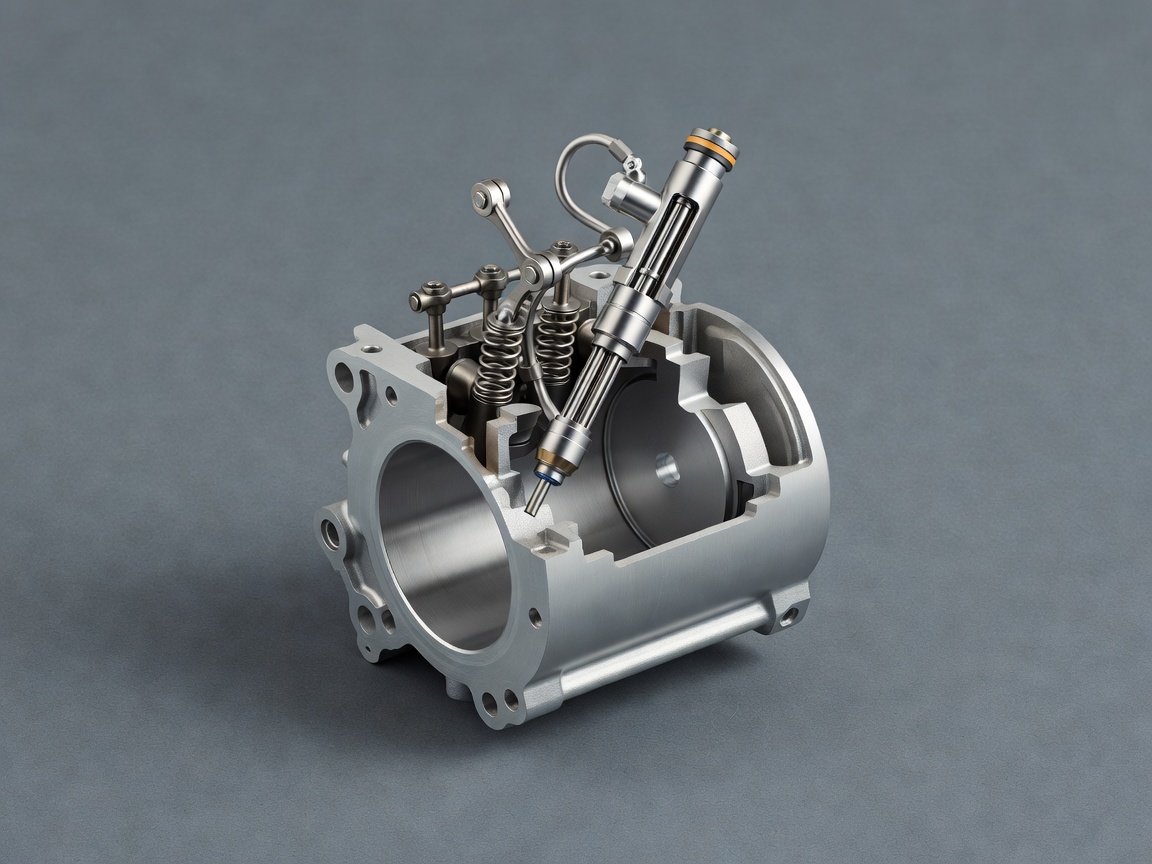
A hydrogen combustion engine retains pistons, valves, a crankshaft and a mechanical route to the wheels. That familiarity can help explain its appeal to motorsport organisations with existing engine skills. It does not mean a petrol calibration, injector arrangement or safety procedure can simply be reused. Hydrogen changes mixture preparation, ignition behaviour, fuel-system sealing and the storage package around the engine.
As a gaseous fuel, hydrogen can occupy intake volume that would otherwise contain air when introduced upstream. Direct injection changes that relationship, but introduces its own pressure, timing and injector requirements. The outcome depends on the architecture, not just the chemical identity of the fuel. Power density and efficiency therefore need measured operating maps rather than a universal conversion factor.
Established principle: control the mixture.
Hydrogen has a wide flammability range in air and low ignition-energy requirements under relevant conditions. Those properties can support lean operation, but they also demand careful management of unintended ignition sources. Pre-ignition and backfire are distinct phenomena; grouping every irregular event under “knock” can conceal the mechanism that needs attention.
Injection strategy, combustion-chamber geometry, residual gases, hot surfaces and lubrication all interact. A test programme should identify where stable combustion ends, not merely where a single high-power point can be reached. Cycle-to-cycle variation and transient behaviour matter when the driver repeatedly moves from part load to full demand.
Lean operation may reduce some thermal and emissions pressures, yet the useful range is constrained by stability and power requirements. Boosting can help supply air, while adding compressor work, charge-air cooling and exhaust-system demands. Every apparent solution changes another part of the energy balance.
The heat and emissions accounts remain open.
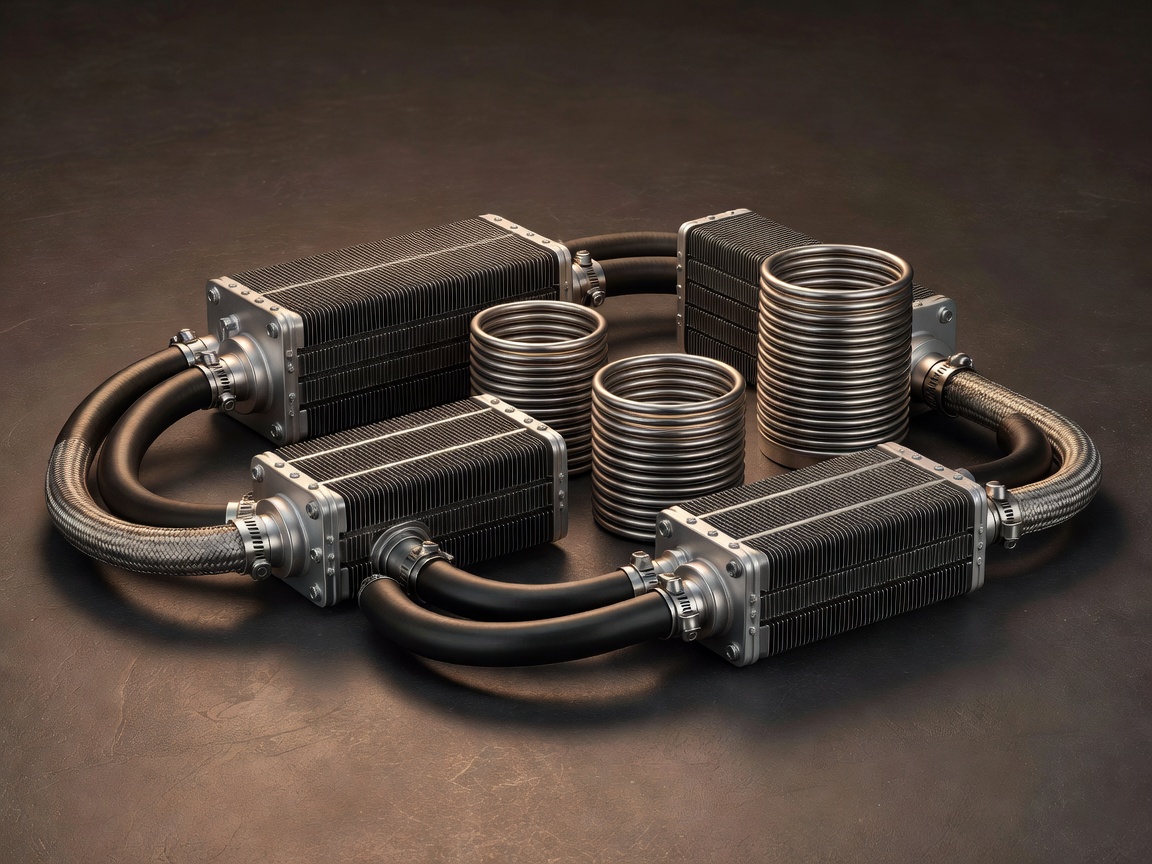
A complete assessment includes coolant, oil, exhaust and charge-air heat flows. It also includes the power needed to operate pumps and other supporting systems. An engine that produces a desired shaft output briefly may not hold it across an endurance duty cycle without exceeding material or cooling limits.
Nitrogen-oxide formation depends on temperature, mixture and combustion history. An emissions statement therefore needs operating conditions and a measurement method. Aftertreatment may be part of an installation, but its effectiveness cannot be assumed across every exhaust temperature and transient. Competition regulations may impose their own requirements in addition to general engineering objectives.
Efficiency should be reported with a clear fuel-energy convention and a defined boundary. Brake thermal efficiency at a favourable steady point is not the same as average vehicle efficiency over a stint. Gear selection, idling, transient enrichment strategies where applicable, and ancillary demand can change the overall result.
Published examples: racing as development.
Toyota has used hydrogen combustion competition activity in Japan’s Super Taikyu series to explore the technology in public. The GR Corolla programme and running at Fuji Speedway provide concrete reference points. Toyota has also described development involving liquid hydrogen, which changes the storage and supply system without changing the distinction between combustion and electrochemical conversion.
These examples establish that development vehicles have been built and operated. They do not, by themselves, establish a general advantage in efficiency, lifecycle emissions or race competitiveness. Manufacturer statements are useful primary accounts of the manufacturer’s programme; independently reproducible comparisons require more information about test boundaries and conditions.
AVL’s hydrogen combustion work and JCB’s engine development provide wider engineering context. Their objectives and duty cycles are not identical to circuit racing. Lessons about injection, calibration and thermal management may be relevant, while claims about suitability must still be checked against the competition application.
Unresolved questions: compare complete runs.
How much fuel is used over the same wheel-work demand? How does combustion stability change with thermal soak? What maintenance follows repeated high-load operation? What happens during a restart after an interrupted run? These questions connect the engine map to the experience of operating a real vehicle.
A useful comparison with fuel-cell electric propulsion should include the complete installed package and the same duty cycle. It should not compare a combustion engine’s peak rating with a fuel cell’s net continuous output, or ignore the battery on one side. The sensible conclusion may differ by vehicle class, circuit and rule set. The task of research is to explain that dependence rather than choose a winner in advance.
Source bench
- Toyota Global Newsroom — primary reporting on hydrogen-engine development and Super Taikyu participation.
- AVL — hydrogen combustion research and engineering context.
- JCB — hydrogen engine development in a different duty-cycle setting.
- US Department of Energy: hydrogen fuel basics — fuel properties and production context.